Beyond The International: Profiting from Dota 2’s Tier-2 Tournament Circuit
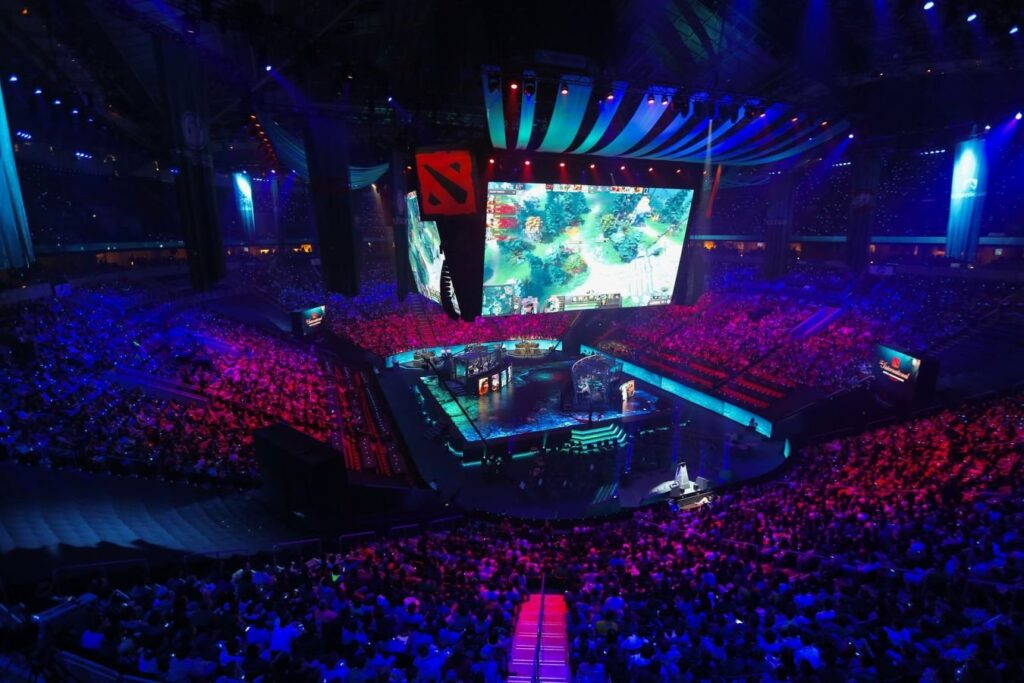
For many, the world of Dota 2 betting is synonymous with the roar of the crowd at The International, the clash of titans like Team Spirit and Gaimin Gladiators, and the high-stakes narratives of the Majors. However, focusing solely on these pinnacle events means overlooking a vast, dynamic, and potentially lucrative landscape: the tier-2 tournament circuit. Beyond the spotlight, hundreds of smaller tournaments run throughout the year, featuring hungry, rising teams and a relentless schedule of matches. For the astute bettor, this circuit, now comprehensively covered by major data feeds like DATA.BET in partnership with Sportradar, presents a unique set of opportunities defined not by scarcity, but by volume, volatility, and information asymmetry.
The Unseen Arena: Volume and Value in Lower-Tier Dota
The scale of the tier-2 and tier-3 Dota 2 scene is staggering. DATA.BET’s feed, powered by Sportradar, illuminates this often-opaque ecosystem, covering over 1,800 tournaments and more than 94,000 matches annually across its markets, with Dota 2 being a core component. This translates to a near-constant stream of competitive action featuring teams from regions like Western Europe, Eastern Europe, Southeast Asia, and South America. Leagues such as the ESL Pro League, tournaments like the Pinnacle Cup, and regional competitions featuring squads like Entity, Tundra Esports, or beastcoast provide a continuous flow of betting markets. The sheer volume is the first key advantage; where The International offers a concentrated period of high-profile matches, the tier-2 circuit offers a consistent, year-round betting calendar.
Identifying Betting Opportunities in the Data Stream
The primary opportunity stems from market inefficiencies. Odds for matches featuring household names at TI are razor-sharp, compressed by vast amounts of public analysis and betting volume. In contrast, a match between, say, Azure Ray and Team Falcons in a regional qualifier or a group stage game in a tournament like DreamLeague may receive less scrutiny from the wider betting public. This can lead to softer lines and greater value for bettors who do their homework. The availability of this data through feeds like DATA.BET means that dedicated betting operators can offer markets on these matches, providing a gateway for informed bettors to find these edges.
Volatility as a Double-Edged Sword
The tier-2 scene is inherently more volatile. Rosters change frequently, player motivation can vary dramatically between a last-chance qualifier and a minor online event, and the tactical gap between teams is often narrower. While this volatility increases risk, it also creates the potential for larger odds swings and underdog victories. A team like Shopify Rebellion, in a period of rebuilding, might be inconsistently priced against a stable, lesser-known regional powerhouse. Understanding this volatility, rather than fearing it, is central to a profitable strategy.
Strategies for Navigating the Tier-2 Circuit

Profiting from this ecosystem requires a shift in approach from betting on the tier-1 stage. The strategies that serve a bettor well during a Major need refinement for the chaotic, fast-paced world of smaller tournaments.
Deep-Dive Research is Non-Negotiable
Information is your most powerful weapon. With less mainstream coverage, you must seek out alternative sources. Follow regional analysts on social media, watch recent VODs of teams’ matches, and monitor roster change announcements diligently. Pay close attention to player streams and community forums for hints on form and morale. A player like Artem “Yuragi” Golubiev might be a known quantity on OG, but tracking his performance on a new team in a tier-2 setting requires dedicated observation. This level of research helps you identify when the market has mispriced a team’s true strength, especially following a recent roster change or a string of under-the-radar victories.
Specialize in Specific Regions or Leagues
Attempting to follow every region and every tournament is a recipe for burnout and superficial knowledge. Instead, become an expert on two or three. For instance, you might focus on the competitive chaos of Southeast Asia, home to teams like Blacklist International and Talon Esports, and the structured scene of Eastern Europe. By specializing, you develop a nuanced understanding of team styles, player form, and even tournament-specific meta trends. You’ll learn which tournaments certain teams prioritize and which they treat as practice, a critical insight for evaluating their true motivation.
Contextualize Tournament Importance
Not all tier-2 tournaments are created equal. A spot in a DreamLeague or ESL event carries far more weight for a team’s season and financial health than a small online cup. A team on the cusp of qualifying for a Major will exhibit vastly different focus and preparation in a decisive qualifier match compared to a mid-week group stage game in a lesser event. Betting on a highly motivated Team Liquid in a crucial qualifier is a different proposition from betting on them in a showmatch or an already-decided group stage. Always ask: What is at stake for each team in this specific match, at this specific moment?
Leveraging Data Feeds for an Informed Edge
The existence of comprehensive data feeds like the one provided by DATA.BET and Sportradar is transformative for this space. For betting operators, it allows them to offer markets on this long-tail of Dota 2 content reliably. For the serious bettor, it signals that these matches are becoming more accessible on reputable platforms. When you see a market available for a match between Nouns and TSM in a qualifier, it is often underpinned by this kind of robust data feed ensuring live stats, match start accuracy, and integrity monitoring. This professional infrastructure brings the tier-2 circuit from the shadows into a more formalized betting environment.
From Raw Data to Actionable Insight
While the feed provides the opportunity, the interpretation remains a human skill. Use the availability of these matches to track patterns that data alone might not show. Observe how a team like Gaimin Gladiators performs in best-of-one formats versus best-of-three in online settings. Note the draft patterns of a coach like Andrey “Ghostik” Kadyk in a new team environment. Combine the hard data from the feed—like first blood rates, game duration trends, or hero pick prevalence—with your qualitative research on player form and team dynamics. This synthesis is where true betting edge is found.
The Risks and Responsible Engagement
The very factors that create opportunity also breed risk. The volatility can lead to unexpected losses. Lower liquidity on some markets can sometimes mean odds shift rapidly. The most significant danger, however, is the temptation to bet on volume alone. The constant schedule of matches can lure bettors into action for its own sake, rather than waiting for genuinely advantageous situations. Discipline is paramount. Establish strict bankroll management rules, allocating only a small portion of your funds to the more unpredictable tier-2 circuit. View each match as an independent event requiring fresh analysis, never falling into the trap of chasing losses across a hectic day of multiple tournaments. Remember, the goal is to profit from knowledge, not to simply gamble on every available game.
Engaging with esports betting should always be done responsibly. It is crucial to set limits for time and money spent, to never chase losses, and to view betting as a form of entertainment, not a source of income. If you feel your gambling is becoming a problem, seek help immediately from professional organizations. The exciting, data-rich world of tier-2 Dota 2 betting is best enjoyed with a clear mind and a controlled approach.

Written by